小林 颯
hayate kobayashi
Appeartus #1
日時|2026年2月14日(土)- 23日(月・祝)
11:30 - 18:00
場所|千鳥文化ホール(大阪・北加賀屋)
大阪府大阪市住之江区北加賀屋5丁目2-28
大阪メトロ四つ橋線「北加賀屋駅」4番出口から徒歩3分
入場無料
助成|一般財団法人おおさか創造千島財団、大阪市
協力|一般社団法人HAPS、XE ĐẠP TRỢ LỰC OSAKA GIÁ RẺ
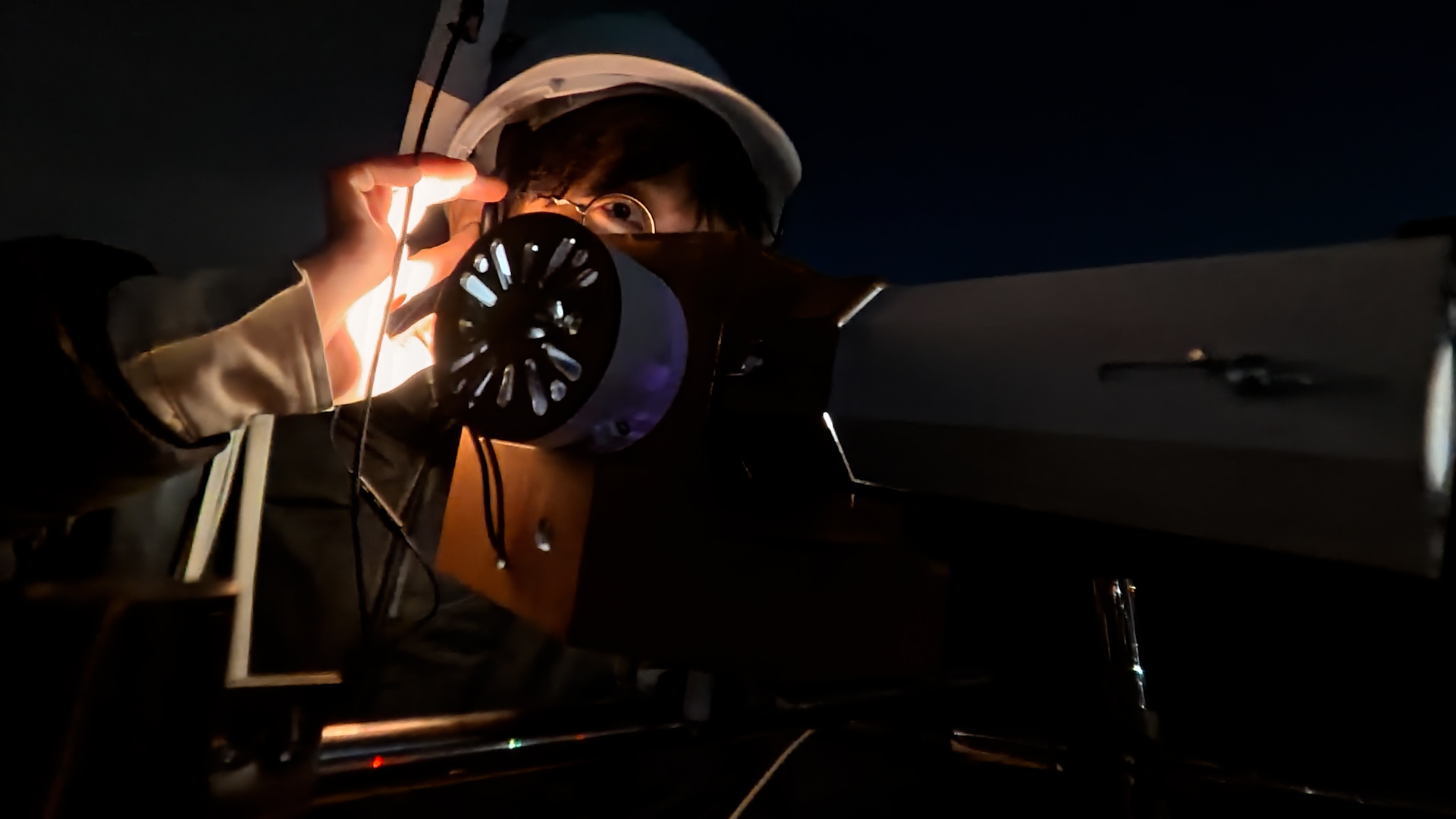
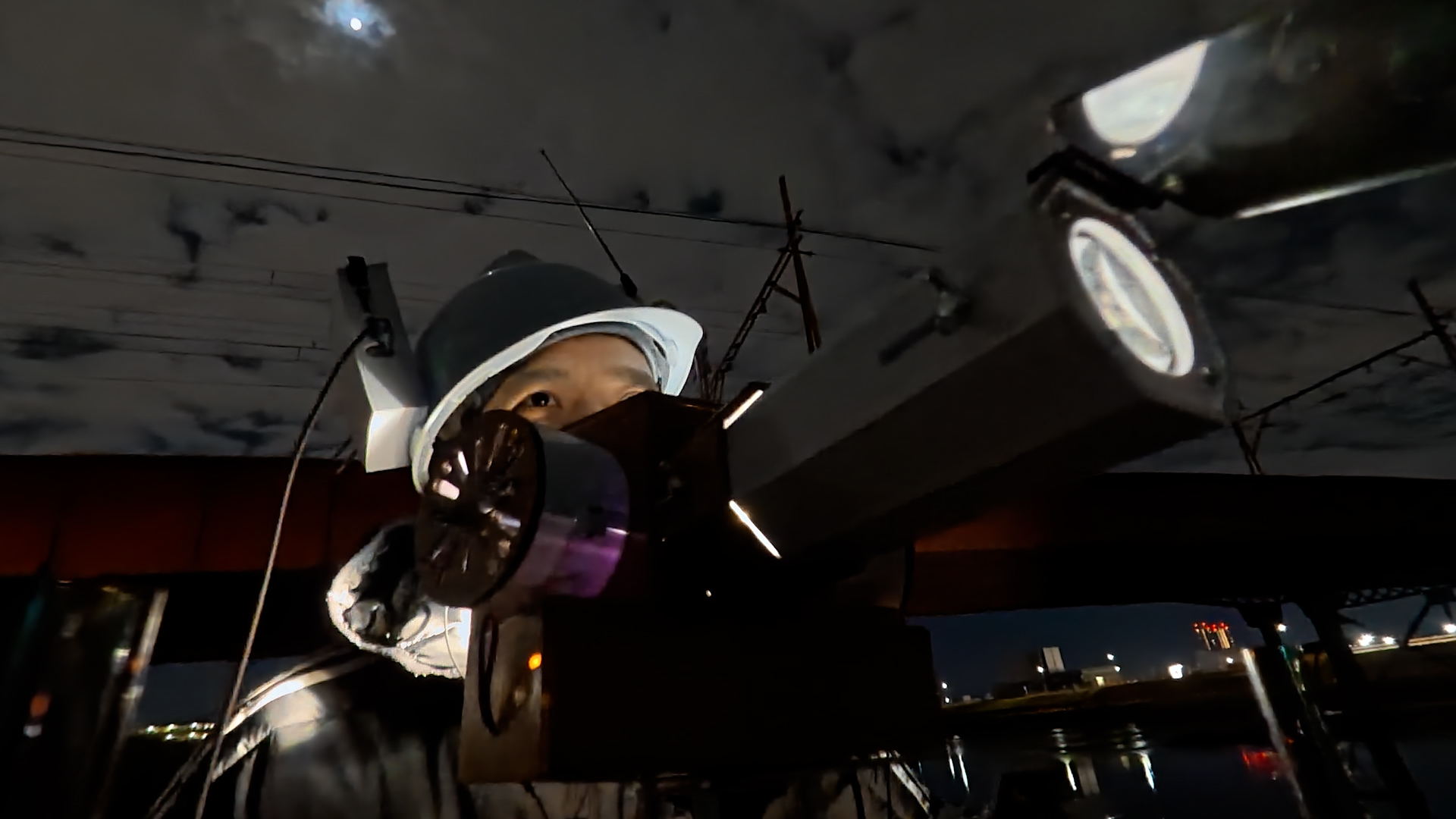
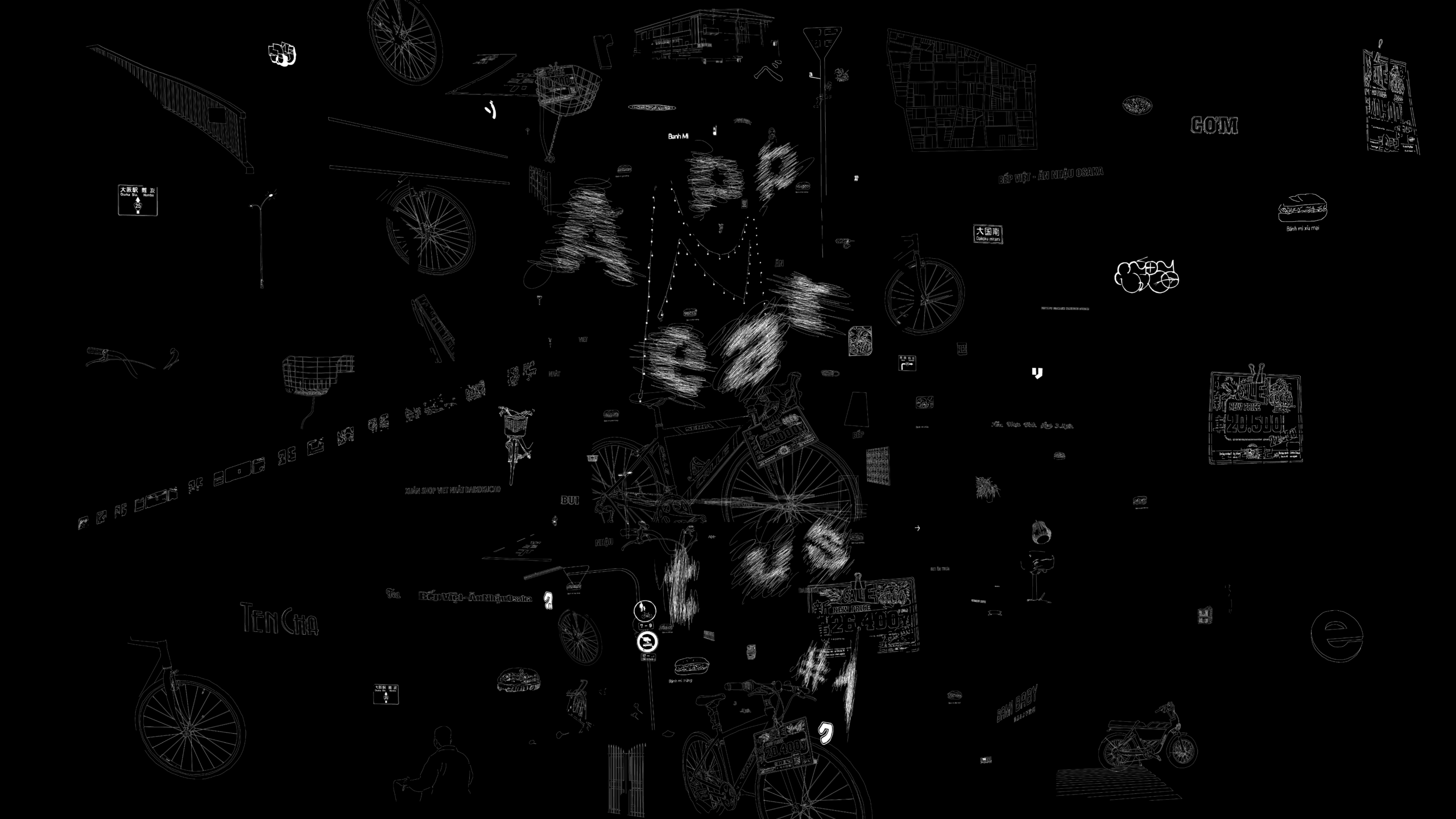
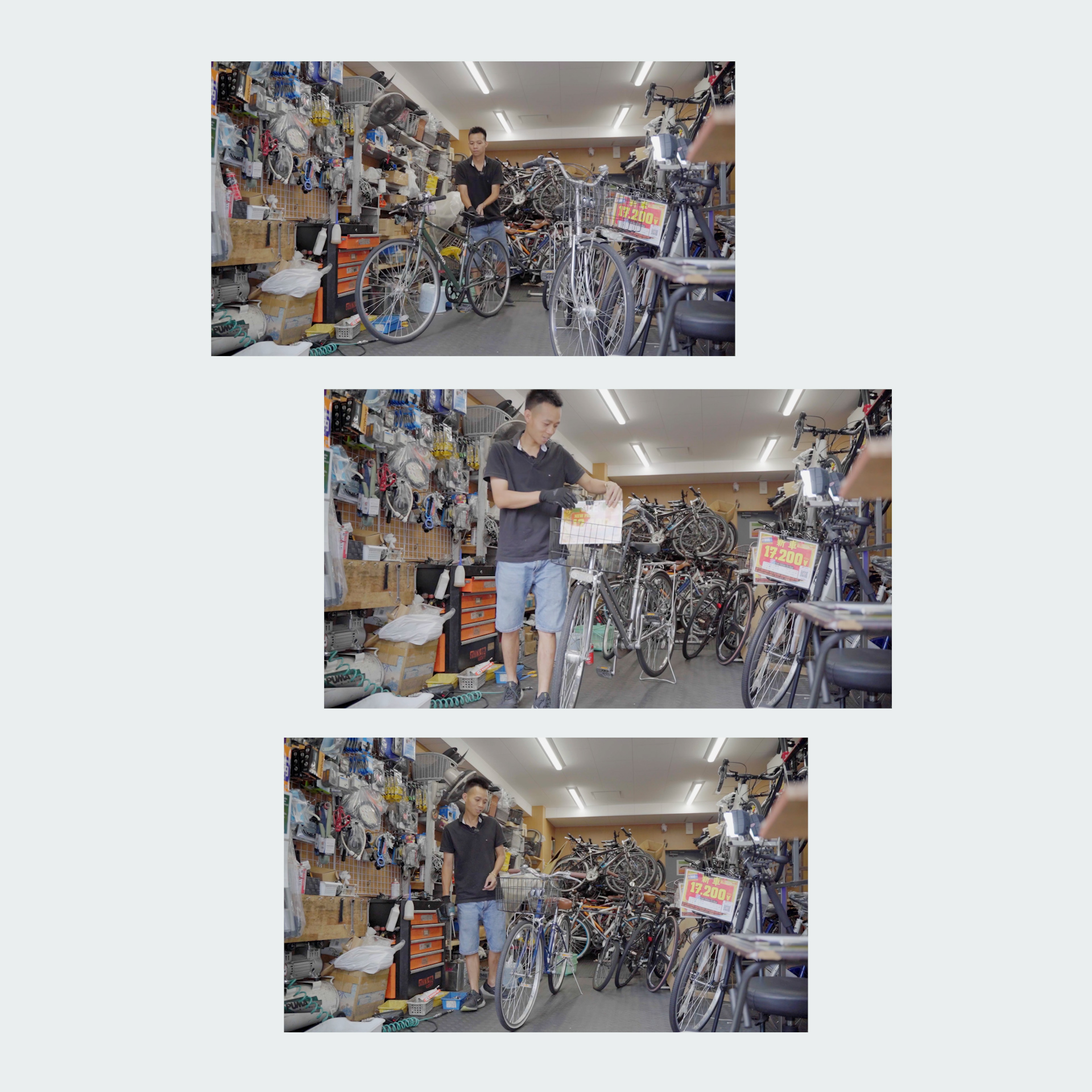
Appeartusは、小林がこれまで制作してきた、唇の像を投影する装置群と映像のシリーズです。同作において、小林は、自作の自転車型装置でのサイクリングを通じて、走行中に発した言葉から詩を作る「ポエトリー・ライディング」を実践してきました。本作(#1)では、大阪・大国町のベトナム系住民らが働く自転車屋「XE ĐẠP TRỢ LỰC OSAKA GIÁ RẺ」に焦点を当て、同店でのインタビューと、大阪・大和川でのポエトリー・ライディングを通じて、彼らの個人的な移動の言葉を収めます。そして、断片のような彼らの言葉から、<移動>を主題に一篇の詩を紡ぎます。
大国町駅を降りると、至るところにベトナム語の看板が見えます。食品スーパーやカフェを始め、そこにはベトナム語と日本語が併記されています。少し歩くと、自転車屋「XE ĐẠP TRỢ LỰC OSAKA GIÁ RẺ」があります。直訳すると「大阪の格安電動アシスト自転車」。その自転車屋は、ベトナム人店主のグエンさんによって経営されています。彼はベトナム北部・ハイズオンの出身で、2020年から友人たちと自転車屋を始めました。グエンさんいわく「五年前を境にベトナム系のお店が増えた」といい、「ここはベトナム人が来る一時的な場所」といいます。私はグエンさんに、自転車屋で、そして大和川のほとりで、彼の<移動>について話を訊きました。そうやって、私たちの言葉は詩になり始めました。
彼らの生活する世界では、「祖国との関係性」という内側の特性と、「日本の非移民社会性」といった外側の特性があり、その摩擦によって不安定性*が生じます。この不安定性は、彼らの言葉にどう反映されているのでしょうか。彼ら―私たちは、その言葉をどのように捉えることができるのでしょうか。
* 川上郁雄「越境する家族 在日ベトナム系住民の生活世界」、明石書店、2001年、p.230
hayate kobayashi
Appeartus #1
- 02. 14 - 02. 23
11:30 - 18:00
Venue
Chidori Bunka (Kitakagaya, Osaka)
@chidoribunka
5-2-28 Kitakagaya, Suminoe-ku, Osaka-shi, Osaka
3 minutes walk from the 4th exit of Kitakagaya station on the Osaka Metro
Admission Free
Funded by Chishima Foundation for Creative Osaka, City of Osaka
Supported by HAPS, XE ĐẠP TRỢ LỰC OSAKA GIÁ RẺ
Appeartus is a series of kobayashi’s artistic practices with self-made lip-projection apparatuses and moving images. In Appeartus, kobayashi has experimented with his own method, Poetry Riding; the act of composing poetry through cycling on self-made bicycle apparatuses. This work, Appeartus #1, focuses on the local bicycle shop called “XE ĐẠP TRỢ LỰC OSAKA GIÁ RẺ” in Daikokucho, Osaka. Through interviews and poetry riding along the banks of the Yamato River, kobayashi recorded words of personal migration. With pieces of their nuances and vowels, kobayashi interweaves a poetry on migration.
When you take off at Daikokucho station, you can see Vietnamese signboards everywhere. Like in a supermarket or cafe, the signboards are written with both Vietnamese and Japanese. Taking a walk from there, you could find a bicycle shop called “XE ĐẠP TRỢ LỰC OSAKA GIÁ RẺ”. This word is directly translated as “Cheap Electric Assisted Bicycle Osaka”. The shop has been run by the Vietnamese owner, Nguyễn-san. Nguyễn moved to Osaka from Hải Dương, Northern Vietnam in 2017 and opened this shop with his friends three years later in 2020. He said, “The Vietnamese shops have largely increased from 5 years ago here”, and “Here is the place where the Vietnamese stay temporarily”. I asked about Nguyễn’s migration at the bicycle shop and along the riverside of the Yamato River. Like that, our tongues have arisen as poetry.
In their perspectives, they experience peculiar instability*, conflicting two different attributes; the inner attributes such as the relationship between homecountry, and the outer attributes such as Japan’s intolerant sociality towards migrants. How are these instabilities reflected in their words? And most significantly, how can they - we digest these personal, fluctuated, fragmented pieces of words?
* Ikuo K. (2001). Transbordering families: The lifeworld in Vietnamese residents in Japan. Akashi Shoten. 230.